



Mastering Torque Verification in Faucet & Cartridge Assembly
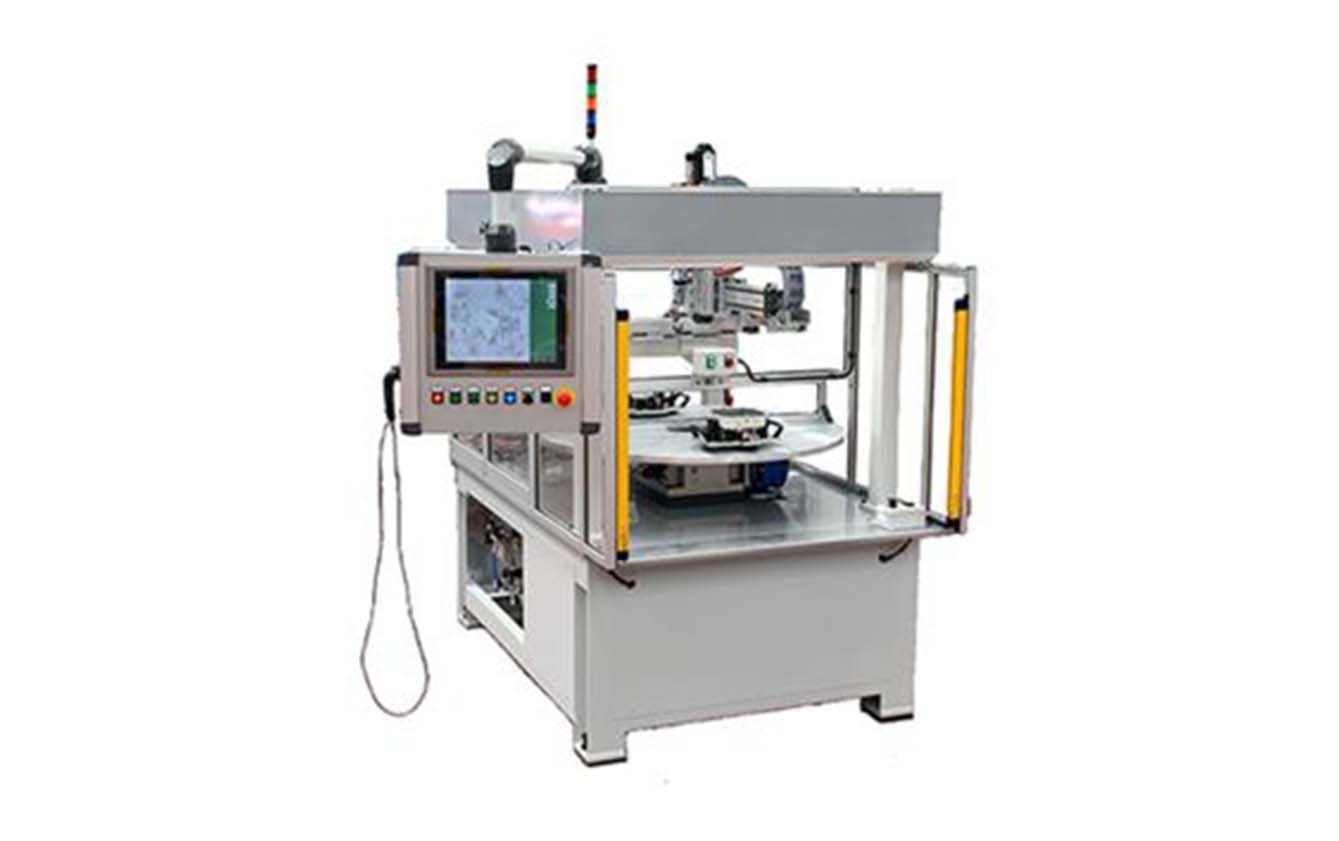
Eliminating Micro-Leaks and Component Stress with Automated Screwdriving Systems
In high-volume fluid control manufacturing, consistency is the difference between a smooth-operating faucet and a costly product recall. Components like D.40 ceramic cartridges, thermostatic headwork, and single-lever faucet assemblies require exact mechanical tension during fast-paced assembly cycles.
Relying on torque-controlled assembly rather than manual fastening ensures every valve headwork meets tight engineering tolerances without risking stripped threads or micro-leaks under pressure.
The Hidden Risks of Inconsistent Torque in Headwork & Cartridges
In fluid control devices, threaded fasteners hold internal seals, ceramic discs, and valve stems under continuous hydraulic tension. Improper torque application creates three primary failure modes:
- Under-Torquing and Micro-Leaks – If a screw or retaining nut is under-torqued, internal O-rings and ceramic cartridges do not seat tightly against the valve body. Under low pressure, the seal might hold, but under real-world water hammer conditions, micro-gaps open up, causing internal seepage and premature valve failure.
- Over-Torquing and Housing Distortion – Excess force causes severe damage to delicate internal sub-assemblies. Over-torquing can distort D.40 cartridge housings, crack ceramic discs, or strip internal brass threads, turning a high-grade valve into scrap before it leaves the factory.
- Inconsistent Clamping Force Across Multi-Fastener Joints – When securing multi-screw flanged headwork, applying uneven torque across fasteners creates uneven pressure distribution on gaskets. This uneven clamping force causes long-term seal deterioration and erratic handle rotation friction for the end-user.
How Automated Screwdriving Systems Guarantee Torque Accuracy
Transitioning from manual assembly benches to fully integrated or semi-automatic screwdriving systems replaces human guesswork with real-time digital monitoring and closed-loop feedback.
Closed-Loop Servo Screwdriving
Automated systems utilize precision servo-driven screwdriving spindles programmed with exact angle-and-torque algorithms. The spindle measures torque continuously throughout the rundown cycle, automatically stopping the moment the pre-set Newton-meter (Nm) value is reached.
Real-Time Angle and Torque Verification
Advanced screwdriving stations don't just measure final shut-off torque; they record torque versus angle curves for every single screw. If a fastener cross-threads, strips, or hits a chip in the thread, the system instantly flags the anomaly, halts the cycle, and rejects the component before it advances to secondary assembly phases.
Seamless Integration with In-Line Pressure Testing
Modern assembly equipment pairs automated screwdriving directly with integrated leak-testing stations. Once the valve headwork or cartridge is fastened to exact engineering tolerances, the system automatically performs pneumatic or hydrostatic pressure verification, confirming that the specified torque achieved a 100% airtight and watertight seal.
Precision Assembly Solutions Engineered by FELP USA
At FELP Assembly Systems USA, we build custom assembly, calibration, and testing solutions designed around your exact product specifications. Whether you require a semi-automatic assembly line for D.40 cartridges, a dedicated faucet headwork assembly machine, or a high-speed multi-station rotary table for complete faucet production, our equipment delivers repeatable accuracy on every cycle.
By integrating high-precision automated screwdriving systems with inline testing, FELP systems eliminate operator error, boost throughput, and ensure every valve leaving your facility meets strict quality standards.
Looking to upgrade your faucet or valve assembly line? Contact FELP Assembly Systems USA today at (847) 752-4092 or fill out our online quote request form to discuss your automation needs with our engineering team.
